Are you ready to transform your body and see real results quickly? Many people want rapid weight loss. The good news is that you can lose weight safely without extreme measures or fad programs.
The Mayo Clinic Diet program shows you can lose 6 to 10 pounds in two weeks. This is done through smart lifestyle changes and eating less. A good two-week weight loss plan is based on habits that doctors and nutrition experts support.
This guide will help you succeed. You’ll learn about meal plans, recipes, exercises, and fast weight loss strategies that work. To succeed, you need to eat smart, drink enough water, exercise regularly, and have positive daily habits.
Key Takeaways
- Safely dropping 6 to 10 pounds within 14 days is achievable with evidence-based methods
- Success requires combining balanced nutrition with regular physical activity and proper hydration
- Medical research supports structured approaches over extreme restriction or fad programs
- Sustainable lifestyle changes deliver better long-term results than quick fixes
- This guide provides meal plans, recipes, and exercise strategies for your transformation
Understanding Realistic Weight Loss Expectations in Two Weeks
Before starting your two-week weight loss journey, it’s important to know what’s realistic. Many people set unrealistic goals that lead to disappointment. Setting healthy goals helps you stay motivated and celebrate your progress.
Realistic weight loss takes time, but you can see results in two weeks. Setting goals based on science keeps you focused on your health. Let’s look at what experts say about safe and effective short-term weight loss.
How Much Weight Can You Safely Lose in 14 Days
The Mayo Clinic Diet says you can lose 6 to 10 pounds in two weeks. This is a safe and healthy rate. After that, experts suggest losing 1 to 2 pounds per week.
The NHS gives calorie guidelines for this goal. They say to eat 1,900 calories per day for men and 1,400 calories per day for women. This creates a calorie deficit without starving your body.
Losing more than 10 pounds in two weeks is not healthy. Your body needs enough nutrition to function well. Stick to the safe weight loss rate for lasting results.
The Difference Between Water Weight and Fat Loss
It’s important to know the difference between water weight and fat loss. The first few days of any diet show a big drop in weight. Much of this is water, not fat.
When you eat less carbs and sodium, your body releases stored water. Carbs hold onto water, which is why low-carb diets show quick results.
Fat loss happens at a slower pace. You can lose 1 to 2 pounds per week. Losing one pound of fat requires a calorie deficit of about 3,500 calories. This means consistent effort, not quick fixes.
| Weight Loss Type | Timeline | How It Happens | Sustainability |
|---|---|---|---|
| Water Weight Loss | First 3-5 days | Reduced sodium and carbs release stored water | Temporary, can fluctuate daily |
| Actual Fat Loss | Throughout 2 weeks | Sustained calorie deficit burns stored fat | Long-term with proper habits |
| Muscle Glycogen Depletion | First week | Body uses stored energy reserves | Replenishes with carb intake |
| Combined Total Loss | Full 14 days | Mixture of water, fat, and glycogen | 6-10 pounds is realistic range |
Don’t get discouraged if weight loss slows after the first week. This means your body is adjusting. The slower pace in week two often means more fat loss than the quick drop in week one.
Setting Achievable and Healthy Goals
Setting healthy goals means aiming for the 6 to 10 pound range. This amount of weight loss can improve your health, boost energy, and make your clothes fit better. It also helps you build lasting habits.
Measure your success in many ways, not just by weight. Take before photos, measure your waist, and notice how you feel. Many people see better sleep, digestion, and energy before losing a lot of weight.
Consider these realistic markers of progress during your two weeks:
- Clothes fitting more comfortably around the waist and hips
- Increased energy levels throughout the day
- Reduced bloating and improved digestion
- Better sleep quality and waking up refreshed
- Clearer skin and improved complexion
Remember, healthy weight loss is a journey that goes beyond two weeks. These two weeks are a kickstart to lasting lifestyle changes. The habits you build now will keep delivering results for months.
Focus on a sustainable approach, not quick fixes. Losing weight at a safe pace helps you keep it off. The 6 to 10 pounds you lose in two weeks is real progress that motivates you to keep going.
The Science Behind Short-Term Weight Loss
Weight loss isn’t magic or mystery—it’s pure science. It’s about how your body processes energy and stores fat. Knowing the fat burning science behind rapid weight loss helps you make smarter choices. Your body follows predictable rules that determine when, how, and why you lose weight.
You don’t need a biology degree to understand these principles. Once you grasp the basics, you’ll see why some strategies work and others don’t.
Creating Energy Shortage Through Diet
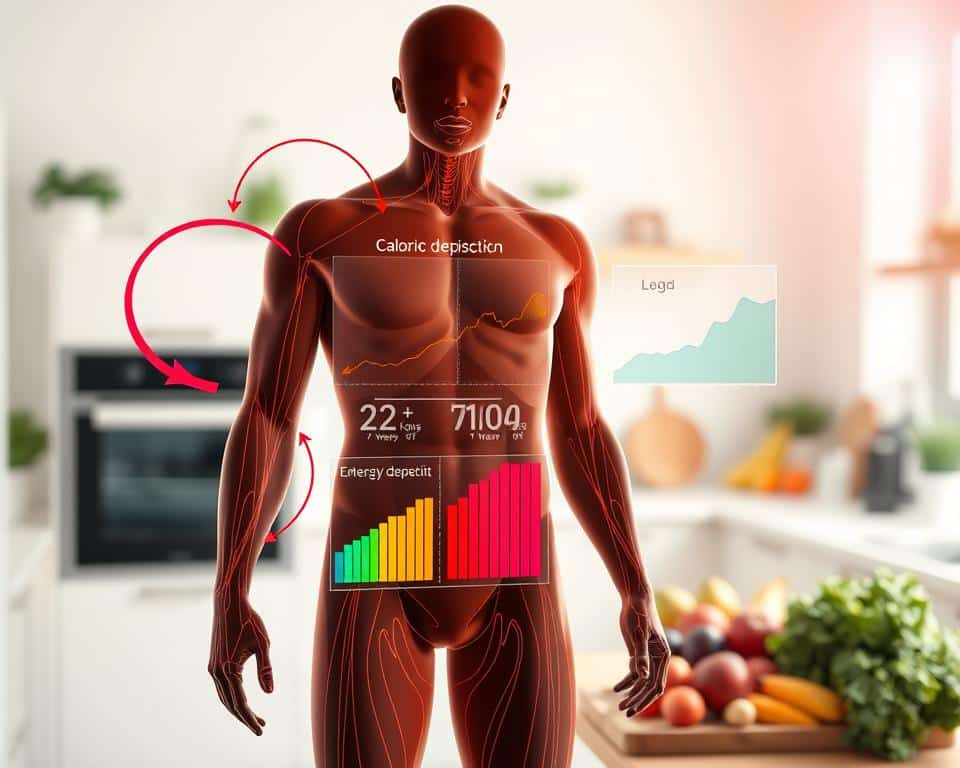
The foundation of all weight loss is eating fewer calories than your body burns. When you create this energy gap, your body must find fuel elsewhere to keep functioning.
This is where caloric deficit explained becomes crucial to your success. Think of your body as a bank account for energy. When deposits (food calories) exceed withdrawals (daily energy needs), you store the excess as fat. When withdrawals exceed deposits, you must tap into savings—your stored body fat.
The NHS recommends reducing daily calorie intake by 600 calories to create an effective deficit for weight loss. A 500-750 calorie daily deficit typically produces 1-2 pounds of fat loss per week. This mathematical relationship exists because one pound of body fat contains approximately 3,500 calories.
Here’s how the math works in practical terms:
- Daily deficit of 500 calories × 7 days = 3,500 calories = 1 pound lost
- Daily deficit of 750 calories × 7 days = 5,250 calories = 1.5 pounds lost
- Over 14 days, a 600-calorie deficit = 8,400 calories = 2.4 pounds lost
The Mayo Clinic emphasizes that weight loss occurs when you consume fewer calories than your body needs. Their programs are designed around this fundamental principle while ensuring you still receive adequate nutrition.
How Your Body Adapts to Eating Less
When you start eating fewer calories, your body doesn’t just passively accept the change. It responds with several metabolic adjustments that affect metabolism and weight loss outcomes.
Your metabolic rate may decrease slightly when you reduce calories, but this doesn’t mean your metabolism is “broken” or “damaged.” This adaptive response is your body’s survival mechanism, trying to conserve energy during what it perceives as a food shortage.
However, when done properly with moderate calorie reduction, this metabolic slowdown is minimal. Extreme calorie restriction below 1,200 calories daily triggers more significant metabolic adaptations, which is why drastic dieting backfires.
One fascinating aspect of metabolism and weight loss involves something called the thermic effect of food, also known as thermogenesis. This refers to the energy your body uses to digest, absorb, and process nutrients.
Different macronutrients require different amounts of energy to process:
- Protein: Burns 20-30% of its calories during digestion
- Carbohydrates: Burns 5-10% of their calories during digestion
- Fats: Burns only 0-3% of their calories during digestion
This explains why high-protein diets often produce better results. Your body literally burns more calories processing protein than it does processing carbohydrates or fats.
Another metabolic consideration is muscle preservation. When you lose weight, you want to shed fat, not muscle tissue. Muscle is metabolically active, meaning it burns calories even at rest. Maintaining muscle mass through adequate protein intake and exercise helps keep your metabolic rate higher throughout your weight loss journey.
Blood Sugar Control and Fat Storage
The connection between insulin and weight loss represents one of the most important pieces of the fat loss puzzle. Insulin is a hormone your pancreas releases when you eat, especially when you consume carbohydrates.
Insulin has two primary jobs related to weight management. First, it helps shuttle nutrients from your bloodstream into your cells where they can be used for energy or stored. Second, it signals your body to stop burning fat and start storing it.
When insulin levels are elevated, your body operates in “storage mode.” Fat cells lock their doors, making it difficult to access stored energy for fuel. When insulin levels drop between meals or during sleep, your body can switch to “burning mode,” accessing stored fat more easily.
This is why the timing and composition of your meals matter. When you eat foods high in refined sugars or processed carbohydrates, your blood sugar spikes rapidly, triggering a large insulin response.
The cycle looks like this:
- You eat high-sugar foods
- Blood sugar rises quickly
- Pancreas releases large amounts of insulin
- Blood sugar drops rapidly, sometimes too low
- You feel hungry and crave more sugar
- The cycle repeats
Breaking this pattern creates more favorable conditions for fat loss. When you eat balanced meals with protein, healthy fats, and fiber-rich carbohydrates, your blood sugar rises gradually and insulin release remains moderate.
Lower, more stable insulin levels mean your body can access stored fat between meals. This is the practical application of understanding how insulin affects your weight loss progress.
Reducing refined sugars and choosing low-glycemic foods helps regulate both blood sugar and insulin levels. This metabolic environment makes fat burning more efficient throughout your two-week diet plan.
Core Principles of a Healthy Diet to Lose Weight in 2 Weeks
Starting today, you can use specific nutritional strategies for quick weight loss. These strategies help your body burn fat while keeping your energy up. By following these basics, you can see results without feeling tired or deprived.
For a two-week plan, you don’t need complicated formulas or expensive supplements. Instead, focus on four key elements backed by science. Mastering these basics makes losing weight healthy and easy.
Creating a Sustainable 500-750 Calorie Deficit
Eating fewer calories than you burn each day is key. This forces your body to use stored fat for energy. Aim for a 500 to 750 calorie deficit daily for safe, steady weight loss.
EatingWell’s research shows a 1,200-calorie diet works well for many women. Adjust this to 1,500 or 1,800 calories based on your needs. Men usually need more, with 1,900 calories being a healthy deficit.
To find your calorie deficit, first figure out your maintenance calories. This depends on your age, weight, height, and activity level. Use online calculators or ask a healthcare provider for accuracy.
Once you know your maintenance calories, subtract 500 to 750 to find your target. If you’re too hungry or tired, add 100-200 calories. Your body will tell you when to make changes, so listen to it.
Balancing Macronutrients for Optimal Fat Burning
Getting the right mix of protein, carbs, and fats is crucial. This balance supports fat loss and keeps muscle mass. The ratio of these macronutrients affects how fast and efficiently your body burns energy.
Protein should be your main focus. EatingWell’s meal plans suggest 45-66 grams of protein daily. This helps control hunger and keeps muscle tissue. Protein takes more energy to digest, boosting your metabolism slightly with each meal.
Your carbs should come from complex sources, not refined ones. The Mayo Clinic Healthy Weight Pyramid suggests whole grains, vegetables, and fruits. These foods are full of fiber, keeping you full and providing essential nutrients.
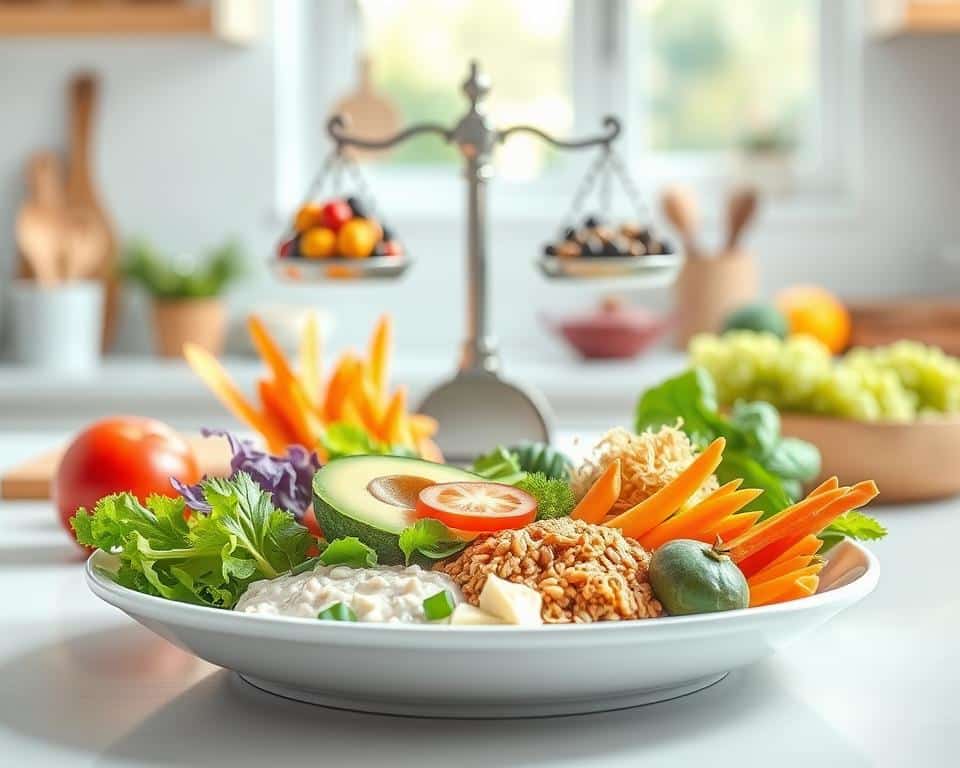
Healthy fats are also important, supporting hormone production and vitamin absorption. Include moderate amounts from sources like olive oil, avocados, and nuts. These fats help you feel full after meals, reducing the need for unnecessary snacks.
Here’s a practical breakdown of daily macronutrient targets:
| Macronutrient | Percentage of Daily Calories | Example at 1,500 Calories | Primary Benefits |
|---|---|---|---|
| Protein | 25-30% | 94-113 grams | Preserves muscle, controls appetite, boosts metabolism |
| Carbohydrates | 40-45% | 150-169 grams | Provides energy, supports workouts, delivers fiber |
| Healthy Fats | 25-30% | 42-50 grams | Promotes satiety, aids hormone production, absorbs vitamins |
The Importance of Drinking Eight Glasses of Water Daily
Drinking enough water is a simple yet powerful tool for weight loss. The NHS recommends 6 to 8 cups of fluid daily for optimal health. Water has zero calories and offers many benefits for weight loss.
Water helps control hunger by making you feel full before meals. Many people mistake thirst for hunger, leading to unnecessary snacking. Drinking a glass of water before eating can reduce calorie intake by helping you recognize true hunger signals.
Your metabolism works better when you’re well-hydrated. Water is involved in every cellular process, including fat breakdown. Drinking cold water may even create a small calorie-burning effect as your body warms it to body temperature.
Drinking enough water also reduces water retention, which might seem counterintuitive. When you’re dehydrated, your body holds onto water as a protective mechanism. Drinking more water signals your body that it’s safe to release excess fluid, leading to a leaner appearance.
Here are some tips to meet your hydration goals:
- Start your morning with a full glass of water before breakfast
- Drink a glass 20-30 minutes before each meal
- Carry a reusable water bottle throughout the day
- Set hourly reminders on your phone until the habit becomes automatic
- Flavor water with lemon, cucumber, or mint if plain water feels boring
Timing Your Meals for Maximum Metabolism Boost
Timing your meals can boost your weight loss results. While total daily calories are most important, when you eat can affect energy levels, hunger control, and fat burning efficiency.
Eating breakfast within an hour of waking jumpstarts your metabolism after the overnight fast. This morning meal doesn’t need to be large, but it should include protein to stabilize blood sugar levels. Skipping breakfast often leads to intense hunger later, causing overeating at lunch or dinner.
Spacing your meals evenly throughout the day maintains steady energy and prevents extreme hunger. Most people find success with three moderate meals plus one or two small snacks. This pattern keeps your metabolism engaged without overwhelming your digestive system.
Consider limiting your eating to a 12-hour window, such as 7 AM to 7 PM. This approach gives your body a consistent overnight fasting period for cellular repair and fat burning. You don’t need to practice extreme intermittent fasting to see benefits from this gentler time restriction.
Avoid eating large meals within two hours of bedtime. Late-night eating can disrupt sleep quality and may reduce overnight fat burning. If you’re genuinely hungry in the evening, choose a light snack like Greek yogurt or a small handful of nuts.
Your final meal of the day should be the lightest, focusing on lean protein and vegetables. This combination provides satiety without overloading your digestive system before sleep. Quality rest supports weight loss more than most people realize, making evening meal timing particularly important.
Nutrient-Dense Foods to Include in Your Diet
Your grocery cart is key to your 14-day weight loss goals. Choose the right foods to keep you full and burn fat. Eating nutrient-rich foods makes losing weight easier and more fun.
A good diet focuses on four main categories. These categories boost your metabolism, control hunger, and keep energy levels up for two weeks.
Powerhouse Proteins That Keep You Full
Lean protein sources are the base of any weight loss plan. Chicken breast is a top choice because it’s high in protein and low in calories. A 4-ounce serving has about 35 grams of protein for just 185 calories.
Fish is also important in your diet. The NHS says eat fish twice a week, including oily fish like salmon. These fish have omega-3s that reduce inflammation and help burn fat.
There are many protein options beyond meat:
- Eggs are a great snack because they’re full of protein
- Greek yogurt has probiotics and 15-20 grams of protein per cup
- Cottage cheese is slow-digesting and perfect for evening meals
- Beans and pulses are great for plant-based eaters, offering protein and fiber
- Lentils have 18 grams of protein per cooked cup with almost no fat
Protein keeps you full longer than other nutrients. It also helps keep muscle mass and has a high thermic effect, meaning your body burns more calories processing it.
Vegetables and Fruits That Fill You Up
The Mayo Clinic says eat unlimited vegetables because they’re low in calories but high in fiber. High-fiber vegetables should fill half your plate at every meal, following NHS guidelines.
Stock your kitchen with these vegetable superstars:
- Bell peppers add crunch and vitamin C with only 30 calories per cup
- Broccolini provides filling fiber and cancer-fighting compounds
- Cauliflower substitutes for higher-calorie starches in creative recipes
- Tomatoes deliver lycopene and satisfy with their natural sweetness
- Leafy greens like spinach and kale offer nutrients with almost zero calories
Fruits are also important, but choose wisely. Berries are the best choice because they’re low in sugar but high in antioxidants. Raspberries, blueberries, and strawberries satisfy sweet cravings for about 50-80 calories per cup.
Other smart fruit choices include apples, clementines, and bananas in moderation. Aim for the NHS recommendation of at least 5 portions of fruits and vegetables daily, with vegetables being the majority.
Essential Fats That Support Weight Loss
Many dieters mistakenly eliminate all fats, but healthy fats for weight loss actually help your results. While fats contain 9 calories per gram, they’re essential for satiety and help your body absorb fat-soluble vitamins.
Avocados provide creamy satisfaction with heart-healthy monounsaturated fats. Half an avocado contains about 120 calories but keeps you full for hours. They add both nutrition and flavor to higher-calorie meal plan adjustments.
Nuts offer the perfect portion-controlled snack. A small handful of almonds (about 23 nuts) delivers healthy fats, protein, and fiber for approximately 160 calories. Just measure your portions carefully since nuts are calorie-dense.
Olive oil is the gold standard for cooking and dressings. Mediterranean diets, which feature olive oil prominently, consistently produce excellent weight loss results. Use it to replace butter or processed oils in your cooking.
Natural peanut butter (without added sugars) works wonderfully for satisfying hunger between meals. One tablespoon contains about 95 calories and pairs perfectly with apple slices or celery sticks.
Smart Carbohydrates That Fuel Your Body
Complex carbs provide sustained energy without blood sugar spikes that trigger cravings. Unlike refined grains that digest quickly, these options release energy slowly throughout your day.
Quinoa earns superfood status with 8 grams of protein per cooked cup plus all nine essential amino acids. It substitutes perfectly for white rice in any recipe while delivering significantly more nutrition and fiber.
Sweet potatoes satisfy your need for comfort food while providing vitamin A, fiber, and natural sweetness. A medium sweet potato contains about 100 calories and keeps you full much longer than white potatoes.
The NHS recommends wholegrain carbohydrates should comprise no more than one-third of your plate. Choose these options:
- Brown rice provides more fiber and nutrients than white varieties
- Oats create filling breakfasts that stabilize blood sugar all morning
- Whole wheat pasta offers familiar comfort with added fiber
- Barley adds chewy texture to soups while providing soluble fiber
These nutrient-dense foods transform your two-week diet from restrictive to satisfying. By filling your meals with lean proteins, colorful vegetables, smart fats, and whole grains, you’ll create a sustainable eating pattern that naturally controls portions and calories. Your body will respond with steady fat loss while maintaining energy and health throughout the entire 14 days.
Foods and Drinks to Eliminate or Strictly Limit
Removing certain foods and drinks can greatly improve your weight loss in two weeks. By cutting out diet saboteurs, you make room for healthier options. This change is easy to stick to for just two weeks and can make you feel better quickly.
Think of this as clearing obstacles on your path to success. These foods and drinks add empty calories and trigger cravings. Knowing what to avoid helps you make better choices.
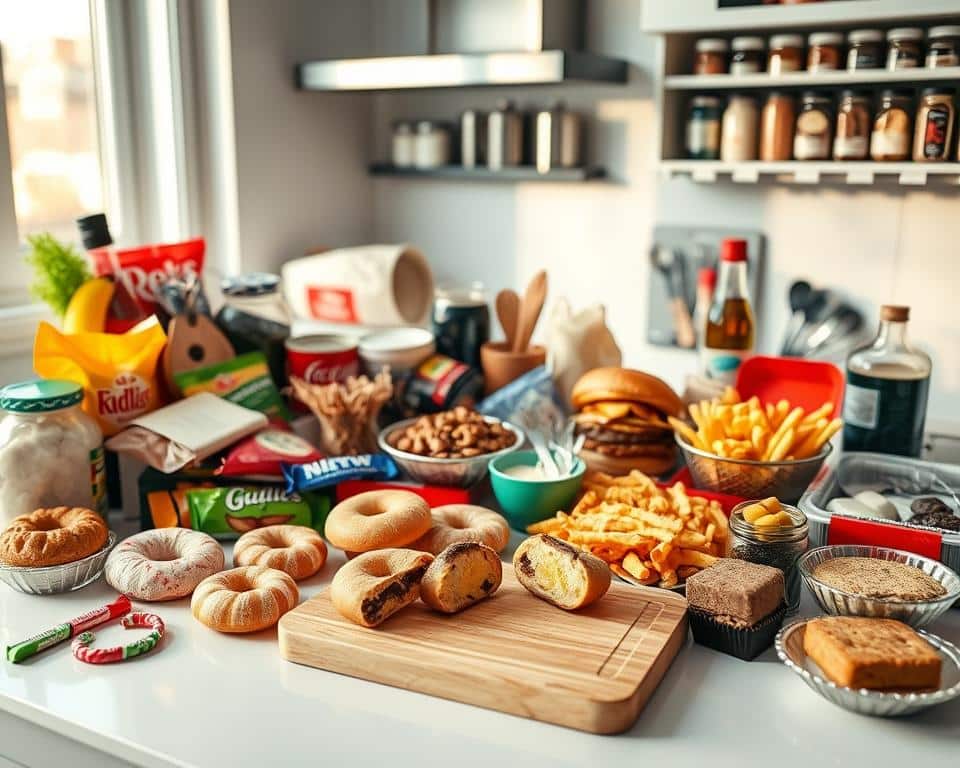
Processed Foods, Fast Food, and Refined Sugars
Processed foods are a big danger to your weight loss. They are made to be very tasty but are bad for you. They have salt, sugar, and fat that make you eat more without feeling full.
Fast food meals can have 1,200 to 2,000 calories. A burger combo with fries and soda can use up all your daily calories. Restaurant portions are too big, making it hard to control how much you eat.
Refined sugars are also a big problem. The Mayo Clinic says to limit sweets to 75 calories a day when losing weight. That’s about one small piece of dark chocolate or a few spoonfuls of low-fat frozen yogurt.
Think of your sweet allowance on a weekly basis. This lets you have a bigger treat on the weekend while staying sugar-free most days. Sugar elimination gets easier when you know cravings fade in three to five days.
High-Calorie Beverages and Sugary Drinks
Liquid calories are sneaky diet saboteurs. A large flavored latte has 300 to 500 calories but doesn’t make you feel full. Eating 300 calories of eggs and vegetables, however, keeps you full for hours.
Regular sodas have about 150 calories per can. Many people drink two or three a day without thinking. That’s 300 to 450 calories with no nutritional value. Energy drinks and sweetened iced teas are also high in calories and bad for your progress.
Fruit juice seems healthy but has a lot of sugar without fiber. An 8-ounce glass of orange juice has as much sugar as three oranges but doesn’t fill you up. Your body quickly processes these sugars, leading to cravings.
The NHS suggests drinking water, unsweetened tea, black coffee, or sparkling water with lemon instead. These drinks keep you hydrated without adding calories. If you miss flavor, try adding cucumber, mint, or berries to your water for a refreshing taste.
Hidden Sodium in Packaged and Restaurant Foods
Too much sodium can make you retain water, hiding your fat loss. High-sodium meals make your body hold onto water to keep fluid balance. This can add pounds of water weight, making your efforts seem less effective.
Restaurant meals often have a lot of hidden salt. A single appetizer can have 2,000 milligrams of sodium—more than most people should eat in a day. Sodium and bloating make your clothes feel tighter and lower your energy.
Packaged foods rely on sodium for flavor and preservation. Canned soups, frozen dinners, deli meats, and seasoning packets all have too much sodium. Even foods that don’t taste salty often have surprising amounts.
For two-week weight loss, aim for 1,100 to 1,700 milligrams of sodium daily. Cooking at home with fresh ingredients and using herbs and spices for flavor helps. Your taste buds adjust quickly, and you’ll find restaurant food tastes too salty within a week.
| Food/Drink Category | Typical Calorie Impact | Main Problem | Smart Alternative |
|---|---|---|---|
| Fast food combo meal | 1,200-2,000 calories | Exceeds daily budget in one meal | Home-cooked grilled chicken with roasted vegetables |
| Regular soda (20 oz) | 250 calories | Empty calories without satiety | Sparkling water with fresh lemon |
| Flavored coffee drink (large) | 400-600 calories | Hidden sugar and liquid calories | Black coffee or with splash of almond milk |
| Restaurant appetizer | 500-800 calories, 2,000mg sodium | Triggers water retention and bloating | Homemade vegetable soup under 200 calories |
| Wine or cocktail | 150-300 calories per drink | Stops fat burning, reduces inhibitions | Herbal tea or infused water |
Alcohol and Its Negative Impact on Weight Loss
Alcohol adds calories and makes losing weight harder. Each gram of alcohol has 7 calories, almost as much as fat. A typical cocktail has 200 to 300 calories, and wine has 120 to 150 calories per glass.
Drinking alcohol stops your body from burning fat. It sees alcohol as a toxin and focuses on getting rid of it first. This means fat burning stops until your liver finishes processing the alcohol.
Alcohol also makes you want to eat more. After a few drinks, you might crave late-night pizza or chips. Studies show people eat 384 more calories when drinking than when they’re not.
Drinking alcohol also messes with your sleep. It disrupts your REM sleep and makes you wake up a lot. Poor sleep raises your hunger hormones the next day, making it hard to stick to your diet.
For your two-week plan, consider alcohol a luxury you can have later. Giving it up for fourteen days improves your sleep, energy, and thinking. Many people find it surprisingly easy to stop drinking once they feel better.
If you can’t give up alcohol completely, set a limit of one drink. Choose drinks with fewer calories, like vodka with soda water and lime. But avoiding alcohol completely gives the best results during this short time.
Remember, these eliminations are just for fourteen days. You’re not giving up food forever. Focus on all the delicious, healthy foods you can eat instead of worrying about what you can’t have.
Your Complete 14-Day Sample Meal Plan
Your two-week transformation starts with this practical meal schedule. It’s designed for real results. Each day, you’ll get about 1,200 calories, which is great for many women looking to lose weight.
You can adjust the calories by adding more food or snacks. This makes the plan flexible and easy to follow.
Every meal is chosen for balanced nutrition and to help you lose weight. You’ll see some meals repeat, making meal prep easier and saving time.
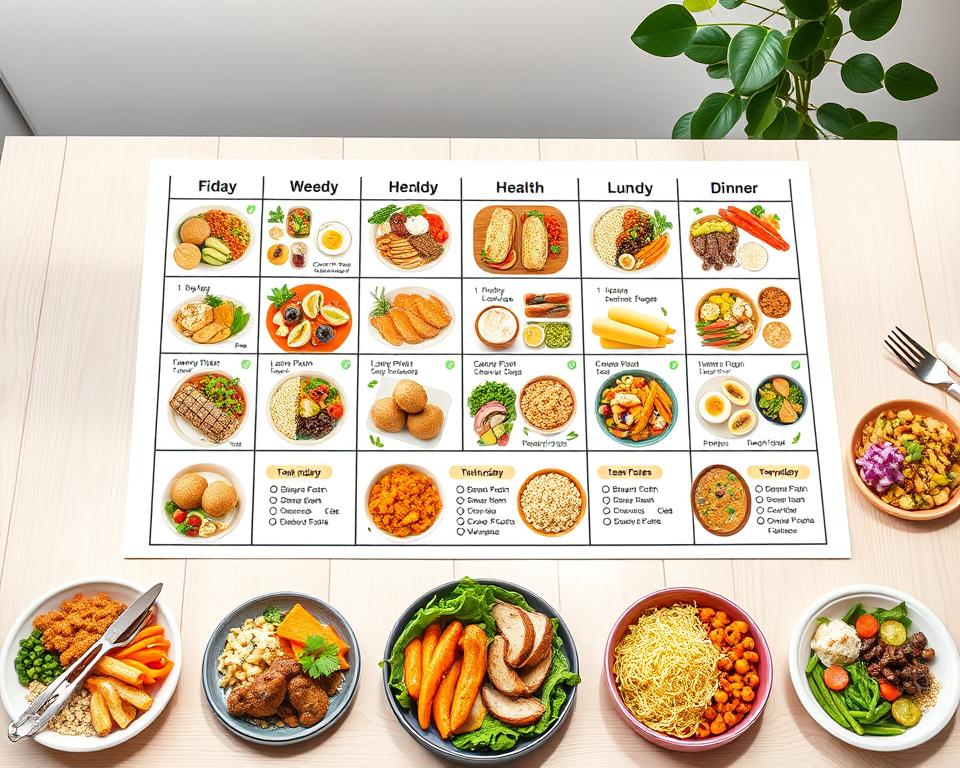
Week One Daily Meal Structure and Portions
The first week sets the foundation for success. You’ll start with calorie-controlled meals and build habits that last.
You’ll eat five times a day: breakfast, morning snack, lunch, afternoon snack, and dinner. This keeps your metabolism going and prevents hunger.
Days 1-3: Starting Strong with Balanced Meals
Day 1 starts with Baked Banana-Nut Oatmeal Cups for breakfast. These can be prepped on Sunday for the first three mornings.
Your morning snack is a clementine, adding natural sweetness and vitamin C. Lunch is Chipotle-Lime Cauliflower Taco Bowls, also prepped in advance.
The afternoon snack is a medium banana. Dinner is a protein-rich meal with vegetables, keeping you full without too many calories.
Day 1 has 1,203 calories, 66 grams of protein, and 34 grams of fiber. This mix keeps you full and supports fat loss.
Days 2 and 3 have similar snacks but with slight changes. You’ll enjoy hard-boiled eggs and reduced-fat cheddar cheese as protein-rich snacks.
These first three days have between 1,200 and 1,220 calories. This rhythm is easy for your body to follow. The repetition also makes shopping and prep easier.
Days 4-7: Building Momentum with Variety
Week One ends with new flavors to prevent boredom. Breakfasts might include Greek yogurt parfaits or egg scrambles with veggies.
Lunch stays with meal-prepped taco bowls until Day 5. Then, it changes to fresh salads with grilled chicken or salmon. These changes keep your taste buds interested while keeping nutrition balanced.
Dinner options expand to include baked salmon, turkey meatballs, or stir-fried chicken with broccoli. Each dinner stays within 400-500 calories.
Day 7 includes two pieces of dark chocolate as an evening snack. This small treat helps you feel less deprived and more likely to stick with your plan.
Daily totals from Days 4-7 range from 1,190 to 1,220 calories. This slight variation is normal and helps your metabolism by avoiding predictability.
Week Two Daily Meal Structure and Portions
Week Two keeps the same structure but adds new variety to keep you excited. By now, you know portion sizes and can tell when you’re really hungry.
You might look forward to meals from Week One. Feel free to repeat your favorites. It’s not about being perfect but finding patterns that work for you.
Days 8-10: Maintaining Consistency and Energy
The second week focuses on keeping your energy up while losing weight. You might find your body has adjusted to the calorie level, and you’ll feel true hunger more clearly.
Breakfasts for Days 8-10 might include overnight oats with berries, whole grain toast with almond butter and banana, or a protein smoothie with spinach. Each provides about 250-300 calories to start your day right.
Lunches could be mason jar salads, leftover dinners, or quick bowls with pre-cooked quinoa, rotisserie chicken, and roasted vegetables. The goal is to keep prep simple since you’re ten days into the plan.
Snacks stay consistent with fruit, nuts, veggies with hummus, or protein-rich options like cottage cheese. These familiar choices require no extra planning energy.
Dinner continues with satisfying portions of lean protein, plenty of veggies, and moderate complex carbs. Think grilled fish with sweet potato and green beans, or chicken breast with cauliflower rice and sautéed mushrooms.
Days 11-14: Finishing Strong with Strategic Meals
The final four days deserve special attention. You’re close to completing your two-week commitment, and these meals will help you finish strong.
Consider including some of your absolute favorite meals from the previous 10 days during this final stretch. If you loved the taco bowls from Week One, bring them back for Day 12 or 13.
Day 14 should feel celebratory while still honoring your calorie targets. Perhaps plan a slightly more elaborate dinner with herbs, spices, and presentation that makes the meal feel special.
You might prepare a beautiful grilled chicken with herb sauce, roasted rainbow vegetables, and a small portion of wild rice. This meal feels like a restaurant-quality treat while delivering the nutrition your body needs.
Throughout Days 11-14, keep your successful pattern of five eating occasions daily. Your body thrives on this predictable rhythm, and changing it now could trigger unnecessary hunger or cravings.
| Meal Period | Typical Time | Calorie Range | Example Foods |
|---|---|---|---|
| Breakfast | 7:00-8:00 AM | 250-300 calories | Oatmeal cups, Greek yogurt parfait, veggie egg scramble |
| Morning Snack | 10:00-10:30 AM | 80-100 calories | Clementine, apple, hard-boiled egg |
| Lunch | 12:30-1:30 PM | 350-400 calories | Taco bowls, chicken salad, quinoa bowl |
| Afternoon Snack | 3:00-4:00 PM | 100-150 calories | Banana with almond butter, cheese with veggies, nuts |
| Dinner | 6:00-7:00 PM | 400-500 calories | Grilled salmon with vegetables, chicken stir-fry, turkey meatballs |
This meal framework gives you a clear plan without feeling restricted. Remember, meal prep ideas like batch-cooking proteins, pre-chopping veggies, and preparing overnight oats make following this plan much easier.
You can swap any meal with another of similar calories if you dislike a particular combination. The goal is to create a sustainable pattern, not to force yourself to eat foods you don’t enjoy.
Many people find that repeating successful meals throughout the two weeks actually reduces stress rather than creating boredom. When you know exactly what you’re eating and have already prepped it, you eliminate the decision fatigue that often leads to poor food choices.
Quick and Delicious Recipes for Rapid Weight Loss
Transforming healthy eating into delicious meals is easy. You don’t need hours in the kitchen or complicated techniques. The secret to success with low-calorie recipes is choosing ingredients that are full of flavor and nutrients but low in calories. These quick meal recipes will keep you full and satisfied during your two-week journey without feeling deprived.
Each recipe in this section balances protein, fiber, and healthy fats. These ingredients keep you full longer and prevent energy crashes. The Mayo Clinic and EatingWell meal plans are the foundation for these easy diet recipes that anyone can master.
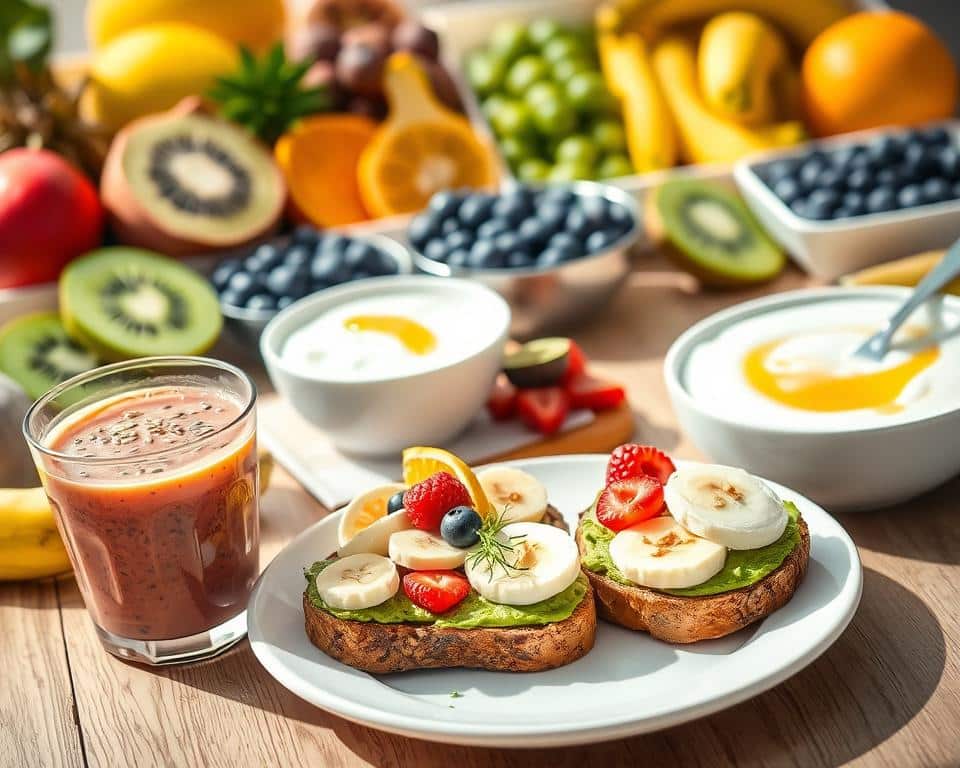
Energizing Breakfast Recipes Under 300 Calories
Starting your day with the right breakfast is key to successful weight loss. These healthy breakfast ideas mix protein, complex carbs, and fiber for sustained energy until lunch.
Baked Banana-Nut Oatmeal Cups are great for meal prep. Mix rolled oats, mashed banana, egg whites, cinnamon, and chopped walnuts. Pour into silicone baking cups and bake at 350°F for 25 minutes. Each cup has about 180 calories and lasts up to five days in the fridge.
The Overnight Oats with Berries and Pear recipe needs no morning effort. Mix half a cup of oats, unsweetened almond milk, sliced pear, fresh blueberries, and a teaspoon of chia seeds. Let it sit overnight in the fridge. This breakfast has 275 calories and gives you both soluble and insoluble fiber.
For a savory option, try a Veggie-Packed Egg White Scramble. Whisk four egg whites with diced bell peppers, spinach, tomatoes, and onions. Cook in a non-stick pan with cooking spray. Add a tablespoon of feta cheese for extra flavor. This protein-rich breakfast has 210 calories and keeps hunger away for hours.
Satisfying Lunch Options Between 350-400 Calories
Midday meals should be filling to prevent afternoon cravings while supporting calorie deficit. These weight loss lunch recipes are designed to keep you energized and satisfied.
The Chipotle-Lime Cauliflower Taco Bowls are a favorite for a reason. Roast cauliflower florets with chipotle powder and lime juice until golden. Serve over mixed greens with black beans, diced tomatoes, corn, and Greek yogurt instead of sour cream. This colorful bowl has 380 calories and can be prepared in batches for the week ahead.
Store your prepared taco bowl components in separate airtight containers. This meal prep strategy lets you assemble fresh bowls throughout the week. The cauliflower stays crispy when stored properly and reheats beautifully.
Tuscan White Bean Soup with Pesto Drizzle offers comfort without excess calories. Simmer white beans with vegetable broth, diced tomatoes, garlic, kale, and Italian herbs. Top each serving with a teaspoon of fresh pesto. This hearty soup has 365 calories per generous bowl and provides both protein and fiber.
A Mediterranean Chickpea Salad works perfectly for packed lunches. Combine chickpeas, cucumber, cherry tomatoes, red onion, kalamata olives, and feta cheese. Dress with lemon juice and a teaspoon of olive oil. This refreshing salad totals 395 calories and requires no heating.
Flavorful Dinner Recipes Under 500 Calories
Evening meals should be your most substantial eating occasion while still supporting weight loss. These light dinner recipes follow NHS guidance by making vegetables half your plate.
The Sheet-Pan Roast Chicken with Broccolini, Onion, and Tomatoes is simple cooking at its best. Place a four-ounce chicken breast on a baking sheet with broccolini florets, sliced red onion, and halved cherry tomatoes. Drizzle with a tablespoon of olive oil and season with herbs. Roast everything together at 425°F for 25 minutes. This complete meal provides 445 calories and requires minimal cleanup.
Sheet-pan cooking saves time and creates delicious caramelized flavors. The vegetables release natural sugars when roasted, creating a satisfying sweetness without added calories.
Grilled Salmon with Asparagus and Quinoa offers omega-3 fatty acids alongside quality protein. Season a four-ounce salmon fillet with lemon, dill, and garlic. Grill alongside asparagus spears. Serve with half a cup of cooked quinoa. This balanced dinner contains 480 calories and supports heart health.
For a vegetarian option, try Stuffed Bell Peppers with Turkey and Brown Rice. Hollow out bell peppers and fill them with a mixture of lean ground turkey, cooked brown rice, diced tomatoes, and spices. Bake until the peppers are tender. Each stuffed pepper delivers 465 calories with impressive protein content.
Smart Snacks Under 150 Calories to Curb Hunger
Strategic snacking prevents extreme hunger that can lead to overeating at meals. These healthy snack ideas keep your metabolism active between main meals.
Hard-boiled eggs are classic for a reason. Prepare a batch at the beginning of the week and store them in reusable silicone bags. One large hard-boiled egg contains just 78 calories and provides six grams of protein. Sprinkle with paprika or everything bagel seasoning for extra flavor.
Greek yogurt serves as an excellent snack base. A half-cup of plain non-fat Greek yogurt contains approximately 80 calories. Mix in fresh raspberries or sliced banana for natural sweetness without added sugar.
- One-ounce portions of cheddar cheese provide 110 calories with satisfying protein and fat
- Clementines offer 35 calories of natural sweetness plus vitamin C
- Bell pepper slices with hummus deliver crunch and nutrition for 100 calories
- Quarter-cup of unsalted roasted almonds contains 140 calories with healthy fats
- Apple slices with one tablespoon natural peanut butter totals 145 calories
The 2-Ingredient Peanut Butter Banana Ice Cream satisfies sweet cravings brilliantly. Freeze ripe bananas, then blend them with a tablespoon of natural peanut butter until creamy. This guilt-free dessert contains about 135 calories per serving and tastes indulgent.
Portion control matters even with healthy snacks. Pre-portion nuts and cheese into single servings to avoid mindless overeating. Keep cut vegetables and fruits visible in clear containers at eye level in your refrigerator.
These recipes prove that eating for weight loss doesn’t mean sacrificing flavor or satisfaction. By preparing meals at home using whole ingredients, you control exactly what goes into your body. Start with two or three favorite recipes and expand your repertoire as you gain confidence in the kitchen.
Complementing Your Diet with Strategic Physical Activity
Physical activity does more than just burn calories. It boosts your metabolism and helps you lose weight faster. The Mayo Clinic suggests doing at least 30 minutes of activity every day. More exercise can lead to better health and faster weight loss.
When you eat right and exercise, you get better results than just dieting. Exercise helps keep your muscle mass while losing weight. It also improves your insulin sensitivity and mental health during tough times.
High-Impact Activities That Maximize Results
Not all exercises are created equal, especially when you’re short on time. Focus on activities that burn a lot of calories and fit into your busy schedule.
HIIT workouts are great for burning fat fast. They make your metabolism stay high for hours after you exercise. A HIIT workout might include short sprints followed by walking breaks.
Brisk walking is also excellent for burning fat, especially for beginners. The Mayo Clinic says walking is key for weight loss. Try to walk at a pace where you can talk but not sing easily.
Other effective options include cycling, swimming, jumping rope, and stair climbing. These activities burn 300-500 calories in 30 minutes, depending on your intensity. They’re easy to do and require little equipment.
Balancing Cardio with Muscle-Building Movements
The best two-week programs mix cardio and strength training. Each type has unique benefits that work well together. This combination helps you lose fat and stay toned.
Cardio exercises burn calories right away and improve your heart health. Activities like running and cycling raise your heart rate and keep calories burning.
Strength training helps you build and keep muscle. Muscle burns more calories than fat, even when you’re not moving. The Mayo Clinic recommends strength exercises for this reason.
You don’t need fancy gym equipment for strength training. Simple bodyweight exercises work well in a short program:
- Squats work your largest muscle groups and burn significant calories
- Push-ups strengthen your chest, shoulders, and core simultaneously
- Lunges target your legs while improving balance and coordination
- Planks build core strength that supports all other activities
- Burpees combine cardio and strength for maximum calorie burn
Do 2-3 strength sessions a week, focusing on major muscle groups. Even short sessions of 15-20 minutes can make a big difference when combined with cardio.
Your Realistic Two-Week Activity Plan
Creating a workout schedule helps you stay on track for 14 days. Find a balance that challenges you but doesn’t lead to burnout or injury. Your plan should feel achievable.
If you’re already active, alternate between cardio and strength days. This lets your muscles recover while keeping you active. Aim for 3-4 cardio and 2-3 strength sessions a week, with one rest day.
If you’re new to exercise, start with short sessions. Begin with 5-10 minutes of activity and gradually increase. This approach reduces injury risk and builds confidence. Start with 10-minute walks twice a day, then add five minutes each week.
| Fitness Level | Daily Duration | Weekly Structure | Intensity Focus |
|---|---|---|---|
| Beginner | 15-25 minutes | 5 days cardio, 2 days light strength | Moderate, gradual progression |
| Intermediate | 30-40 minutes | 3 days cardio, 3 days strength, 1 rest | Mix moderate and high intensity |
| Advanced | 45-60 minutes | 4 days HIIT/cardio, 3 days strength | High intensity with proper recovery |
Move more throughout your day, not just during workouts. Take stairs, park far, and stand while talking. These small actions can burn an extra 100-200 calories daily.
Listen to your body and adjust your intensity as needed. Some soreness is normal, but sharp pain means you need to rest. Always check with your doctor before starting a new exercise program, especially if you have health concerns or have been inactive for a while.
Combining smart nutrition with strategic physical activity leads to better results than either alone. Your body responds well to movement and quality nutrition. Stay consistent with both, and you’ll see great changes in two weeks.
Essential Lifestyle Habits That Accelerate Weight Loss
Nutrition is key, but certain lifestyle changes can boost your weight loss in just two weeks. The habits you adopt daily can either help or hinder fat burning. Studies show that addressing these lifestyle factors can lead to more weight loss and better maintenance over time.
The Mayo Clinic Diet focuses on behavior change to boost motivation and handle setbacks. The NHS Weight Loss Plan also offers tools for tracking activity and progress. These lifestyle habits work together with your diet to maximize results in 14 days.
The Critical Connection Between Sleep and Fat Loss
Getting seven to nine hours of sleep is crucial, not just for feeling rested. Sleep and weight loss are closely linked, affecting your results. Lack of sleep increases hunger hormones and decreases fullness hormones.
This hormonal imbalance can add 300-500 extra calories daily. Your willpower around food weakens when tired. Poor sleep also reduces exercise energy and slows metabolism by up to 5%.
During these critical two weeks, prioritize sleep with these strategies:
- Establish a consistent bedtime routine, going to sleep and waking at the same times daily
- Create a cool, dark bedroom environment between 60-67 degrees Fahrenheit
- Limit screen time at least one hour before bed to reduce blue light exposure
- Avoid caffeine after 2 PM to prevent sleep interference
- Practice relaxation techniques like deep breathing or gentle stretching before bed
Managing Stress to Prevent Fat Storage
Chronic stress is a major obstacle to quick weight loss. It raises cortisol levels, leading to fat storage around your midsection. This stress hormone also triggers emotional eating and disrupts sleep.
During your two-week transformation, managing stress is crucial. Quick stress-reduction techniques can fit into busy schedules:
- Practice five minutes of deep breathing exercises three times daily
- Take a 10-minute walk outdoors to reset your nervous system
- Journal for five minutes each evening to process emotions
- Listen to calming music during your commute or meal preparation
- Avoid taking on additional commitments during your two-week focus period
Comprehensive Tracking Beyond the Scale
The scale only tells part of your progress tracking story. Daily weight changes can hide real fat loss. You might lose inches without seeing scale changes, so use multiple methods to measure results.
The Mayo Clinic Diet offers tools like a food and exercise journal and weight tracker. The NHS Weight Loss Plan also provides progress recording features. For your two-week focus, track your progress with these strategies:
| Tracking Method | How to Measure | When to Track | Why It Matters |
|---|---|---|---|
| Progress Photos | Take front, side, and back photos in fitted clothing | Day 1 and Day 14 | Visual changes often appear before scale movement |
| Body Measurements | Measure waist, hips, chest, arms, and thighs with tape measure | Day 1, Day 7, and Day 14 | Reveals fat loss when weight stays constant |
| Scale Weight | Weigh yourself same time daily, preferably morning after bathroom | Daily for trend analysis | Shows overall progress trend despite daily fluctuations |
| Non-Scale Victories | Note energy levels, sleep quality, mood, and clothing fit | Daily in journal | Reinforces positive changes beyond numbers |
Pay attention to non-scale victories during your journey. Improved energy, better sleep, enhanced mood, and looser clothing all show success. These signs often appear before scale changes and motivate you to keep going.
Maintaining Consistency and Motivation Throughout Your Journey
Two weeks is a short commitment, but staying consistent requires effort. Weight loss motivation naturally changes, especially during tough times. The Mayo Clinic approach focuses on finding your inner motivation.
Start with preparation. Meal prep on Sunday and Wednesday ensures healthy options are always ready. This reduces unhealthy choices.
These consistency tips help you stay on track for 14 days:
- Find an accountability partner who supports your goals and checks in daily
- Celebrate small wins like completing a full day of healthy eating or finishing a workout
- Prepare meals in advance to eliminate last-minute unhealthy decisions
- Create a visual countdown marking off each successful day
- Remember your “why” by writing down your motivation and reading it when tempted
- Plan for obstacles by identifying potential challenges and creating solutions beforehand
When motivation dips, remember your commitment. Two weeks is less than 1% of your year but can create lasting change. Each day you stick with your plan builds confidence and reinforces new habits.
Track your adherence to these lifestyle habits alongside your food and exercise. Note your sleep, stress management, and daily motivation. This approach reveals patterns and helps you understand what works best for you.
The right combination of sleep, stress management, thorough tracking, and consistency can lead to rapid weight loss. These habits don’t need to be perfect, just consistent effort during your two-week transformation.
Common Mistakes That Sabotage Your Two-Week Diet
Many people unknowingly sabotage their weight loss goals. Even with good intentions and a solid meal plan, certain mistakes can slow or stop your progress. Knowing these common pitfalls helps you stay on track during your 14-day journey.
Most diet mistakes are easy to fix once you know them. By avoiding these errors, you protect your metabolism and set yourself up for success. Let’s look at the four most common mistakes that can derail your two-week weight loss plan and how to avoid them.
Dropping Your Daily Intake Below Safe Levels
One major mistake is extreme calorie restriction. Eating less than 1,200 calories a day for women or 1,500 for men can harm your body. It makes your metabolism slow down to conserve energy.
The EatingWell plan sets 1,200 calories as a minimum for important reasons. Eating less than this can lead to muscle loss and nutritional deficiencies. It also makes you feel tired and hungry all the time.
Extreme calorie restriction creates unsustainable hunger that often leads to binge eating. Your body starts sending constant signals to eat, even when you’re not hungry. This cycle can cause metabolic damage that lasts long after your diet ends.
The meal plans in this article include safeguards to prevent this. They suggest increasing calories if you feel too hungry or tired. Listening to your body is key for sustainable weight loss.
Missing Meals and Disrupting Your Metabolism
Skipping meals might seem like a quick way to lose weight, but it backfires. Skipping breakfast or lunch doesn’t help you lose fat faster. Instead, it causes problems that can ruin your two-week plan.
Skipping meals leads to extreme hunger later, making it hard to control your portions. Research shows people who skip meals often eat more calories by evening than those who eat regularly.
Long gaps between meals can slow your metabolism. Your body thinks it’s starving and burns fewer calories. This makes losing weight harder, even if you’re eating fewer calories.
Missing meals also reduces your energy for exercise. You might skip workouts or move less during the day. This burns fewer calories and weakens your weight loss results.
The meal plans featured earlier include breakfast, lunch, dinner, and snacks. This pattern keeps your blood sugar stable, controls hunger, and keeps your metabolism active. Regular meal timing supports consistent energy and helps you stay on track without feeling deprived.
Overlooking Serving Sizes with Nutritious Foods
Even healthy foods have calories that count toward your daily total. One common mistake is eating too much of these foods without measuring. While they’re nutritious, eating too much prevents the calorie deficit needed for weight loss.
The NHS advises using kitchen scales to weigh ingredients and be aware of portion sizes. Foods like nuts, seeds, avocados, olive oil, nut butters, and whole grains are very calorie-dense. A handful of almonds, for example, can have 200-300 calories.
Consider these examples from the meal plans that show proper portions:
- ¼ cup of almonds provides healthy fats and protein without excess calories
- ½ avocado adds creaminess and nutrients at a controlled calorie level
- 1 tablespoon of peanut butter delivers satisfying flavor in a measured amount
- ½ cup of quinoa offers complete protein and complex carbohydrates appropriately
When you eyeball portions instead of measuring, you usually underestimate how much you’re eating. Studies show people often misjudge serving sizes by 25-50%, especially with foods seen as healthy. This mistake can eliminate your calorie deficit without you realizing it.
Invest in a simple kitchen scale and measuring cups for your two-week plan. Taking 30 seconds to weigh your food ensures accuracy and teaches you what proper portions look like. After two weeks of measuring, you’ll develop better portion awareness that helps you long-term.
Depending Too Much on Pills and Powders
The supplement industry promotes many products claiming to accelerate weight loss, but relying solely on supplements is a costly mistake. While certain supplements may provide minor support, they cannot replace the comprehensive nutrition found in whole foods. Understanding supplement myths helps you allocate your resources wisely.
Supplements lack the complete nutritional profile of real food. Whole fruits and vegetables contain thousands of phytonutrients, antioxidants, and beneficial compounds that work synergistically. No pill can replicate this complexity or provide the natural fiber that supports digestion and satiety.
Many weight loss supplements have limited scientific support for their bold claims. The supplements that do show modest effects typically provide results far smaller than proper diet and exercise. You might spend hundreds of dollars for benefits you could achieve more effectively through the meal plans outlined earlier.
Some supplements interact dangerously with medications or create side effects. Fat burners often contain excessive caffeine that causes jitteriness, sleep disruption, and increased heart rate. Other products may contain unlisted ingredients or contaminants that pose health risks.
The Mayo Clinic emphasizes that successful programs focus on eating tasty, satisfying foods rather than relying on pills. The meal plans in this article achieve results through nutrient-dense whole foods that naturally support your metabolism and provide lasting energy. Real food contains the vitamins, minerals, protein, and healthy fats your body needs to lose weight while maintaining health.
If you currently take supplements, continue those recommended by your healthcare provider for specific deficiencies. But don’t expect fat burners, appetite suppressants, or metabolism boosters to do the work that proper nutrition and exercise accomplish naturally.
| Common Mistake | Why It Backfires | Better Approach |
|---|---|---|
| Eating under 1,200 calories daily | Slows metabolism, causes muscle loss, triggers binge eating, creates nutritional deficiencies | Maintain minimum 1,200 calories for women, 1,500 for men; increase if feeling too hungry or fatigued |
| Skipping breakfast or lunch | Increases extreme hunger later, may slow metabolism, reduces energy for activity, leads to overeating | Eat regular meals and snacks throughout the day to maintain stable energy and control hunger |
| Not measuring healthy food portions | Underestimating calorie intake by 25-50%, eliminating the caloric deficit needed for weight loss | Use kitchen scales and measuring cups to ensure accurate portions of calorie-dense foods |
| Relying on weight loss supplements | Expensive, limited effectiveness, potential side effects, missing complete nutrition from real food | Focus on whole foods from structured meal plans that provide natural nutrients and sustainable results |
Avoiding these four weight loss pitfalls protects your progress during your 14-day plan. Remember, the goal isn’t perfection but consistent healthy habits. If you catch yourself making one of these mistakes, simply correct course at your next meal without guilt or frustration.
Your two-week success depends on working with your body rather than against it. Adequate calories, regular meals, proper portions, and real food create the foundation for safe, effective weight loss. By steering clear of these common errors, you maximize results while building habits that support long-term health beyond the initial two weeks.
Conclusion
Your journey to a healthier you doesn’t stop after 14 days. The habits you’ve started are the base for lasting weight loss. They go way beyond the first two weeks.
Studies from the Mayo Clinic show that people can lose 6-10 pounds in the first two weeks. This “Lose It!” phase proves you can stick to healthy changes. The real magic happens in the “Live It!” phase, where you keep losing 1-2 pounds a week with the same habits.
Your skills in meal planning, knowing the right portions, and staying active are key for long-term success. The healthy foods you’ve grown to love won’t leave your plate after two weeks. They become a regular part of your life.
Keeping weight off needs the same habits you’ve learned: eating well, staying active, getting enough sleep, and managing stress. The NHS Weight Loss Plan says to keep up these habits forever for better health.
You’ve shown dedication for 14 days straight. That same drive will help you reach your goals in the months to come. The knowledge and confidence you’ve gained will keep you on the path to a healthier lifestyle with steady progress and lasting results.